The global fashion industry has long operated under established norms that dictate what beauty should look like, yet recent years have witnessed a remarkable transformation. Brazilian models have emerged as powerful agents of change, challenging outdated conventions and introducing fresh perspectives that celebrate authenticity, diversity, and confidence. Their influence extends far beyond the catwalk, reshaping how millions around the world perceive attractiveness, body image, and self-worth. This shift represents not merely a trend but a fundamental rethinking of aesthetic values in contemporary culture.
The Cultural Impact of Brazilian Beauty on Global Fashion
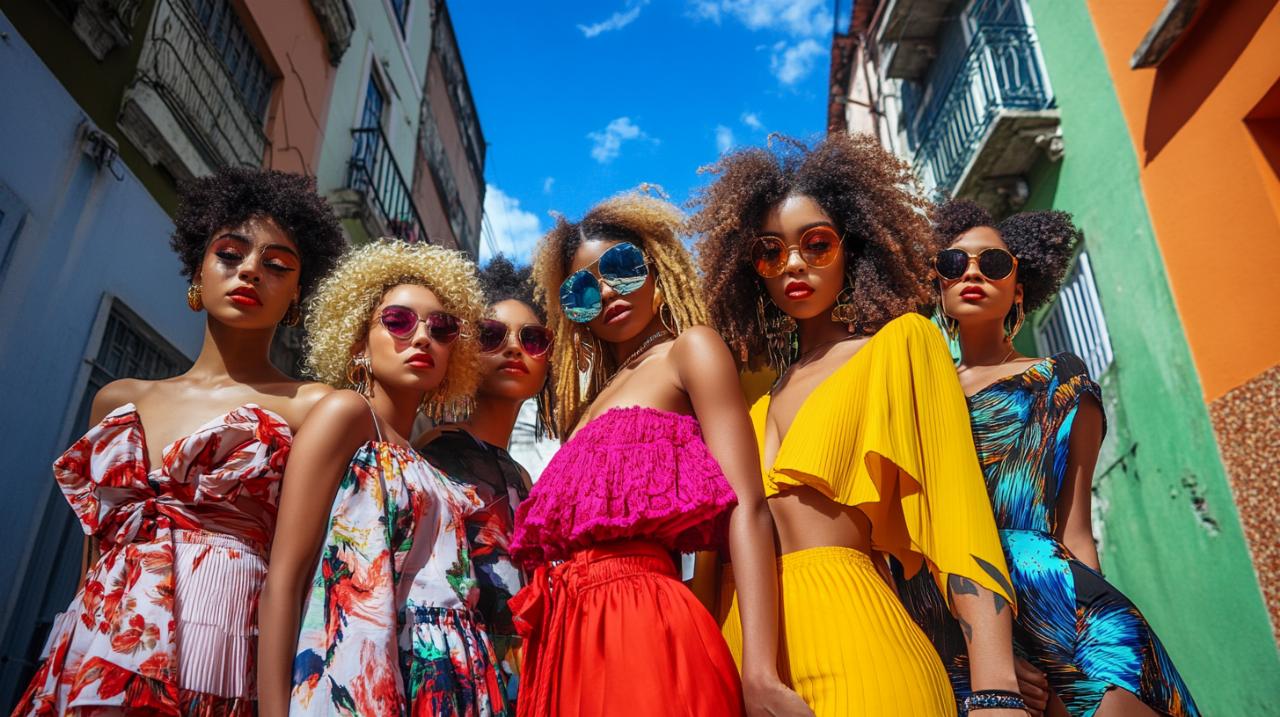
Brazil has strongly influenced international fashion, redefining beauty and sensuality in ways that resonate across continents. The nation's unique cultural heritage, which blends Indigenous, African, and European ancestry, has created a distinctively inclusive vision of attractiveness that refuses to conform to narrow parameters. Brazilian models bring this rich diversity to international runways, editorial shoots, and advertising campaigns, introducing audiences to a broader spectrum of features, skin tones, and physiques. Their presence challenges the historically dominant European aesthetic that once defined the industry, offering instead a celebration of varied human beauty that feels both refreshing and long overdue.
This cultural export has fundamentally altered how fashion houses, photographers, and designers conceptualise their work. Where once a single body type or facial structure dominated high fashion, Brazilian influence has encouraged a more expansive approach. The emphasis shifts from rigid ideals toward embracing individuality and natural attributes. This transformation reflects broader societal changes as consumers increasingly demand representation that mirrors the actual diversity of human appearance. Brazilian models have become ambassadors for this evolution, demonstrating that beauty exists in countless forms and that confidence and authenticity can be far more compelling than adherence to outdated templates.
Celebrating diverse body types in contemporary modelling
One of the most significant contributions Brazilian models have made involves normalising and celebrating body diversity within an industry notorious for its restrictive standards. In Brazil, women of all shapes and sizes confidently wear revealing bikinis, embracing their natural forms without shame or hesitation. This attitude translates powerfully to the modelling world, where Brazilian figures have championed the inclusion of curvier silhouettes, athletic builds, and everything in between. The result is a fashion landscape that increasingly reflects real human bodies rather than an impossible ideal accessible to only a privileged few.
Research studies conducted in Brazil have explored body image extensively, examining satisfaction and dissatisfaction among various populations. These investigations reveal fascinating patterns about how Brazilians perceive their own bodies, with findings showing that females and adolescents are the most studied groups. Such research highlights the complex relationship between cultural beauty standards and personal body confidence, showing that while pressures exist, Brazilian culture also promotes acceptance and celebration of physical diversity. Brazilian models embody this duality, navigating industry expectations while simultaneously pushing boundaries and advocating for broader representation that honours different body types.
The fashion industry has responded to this advocacy, albeit gradually, by featuring models who would have been excluded under previous regimes. Campaigns now showcase athletes with muscular physiques, models with fuller figures, and individuals whose bodies challenge conventional categorisation. Brazilian models have been instrumental in this progress, using their platforms to explore trends in modern society and demonstrate that desirability need not conform to a single blueprint. Their success proves that audiences connect with authenticity and that diverse representation can be both commercially successful and culturally meaningful.
Breaking traditional european beauty paradigms through brazilian influence
For decades, European beauty paradigms dominated global fashion, establishing standards that privileged certain features, body types, and presentations above all others. Brazilian models have systematically challenged these conventions, introducing alternative aesthetics that celebrate sensuality, confidence, and natural beauty. This influence has been particularly evident in how the industry now approaches concepts of femininity and attractiveness. Rather than favouring a single look, fashion now accommodates multiple expressions of beauty, many of which draw directly from Brazilian cultural traditions and values.
Brazil is recognised for influencing the beauty industry with treatments like Brazilian butt lifts and keratin hair treatments, innovations that reflect the nation's emphasis on enhancing natural attributes rather than conforming to external ideals. These procedures, alongside a holistic approach emphasising skincare with sunscreen and natural ingredients, demonstrate a philosophy that values health, confidence, and authenticity. Brazilian models embody this philosophy, presenting themselves with assurance and pride that inspires audiences worldwide. Their impact extends beyond appearance to encompass attitude, showing that true beauty involves self-acceptance and the courage to defy restrictive norms.
The shift away from traditional European standards has profound implications for how beauty is understood globally. As Brazilian models gain prominence, they bring with them cultural values that prioritise joy, confidence, and authenticity over perfection or conformity. This transformation encourages individuals everywhere to embrace their unique characteristics and reject the notion that beauty exists within narrow boundaries. The result is a more inclusive, dynamic fashion industry that better reflects the diversity of human experience and appearance.
Social Media and the Rise of Brazilian Model Empowerment
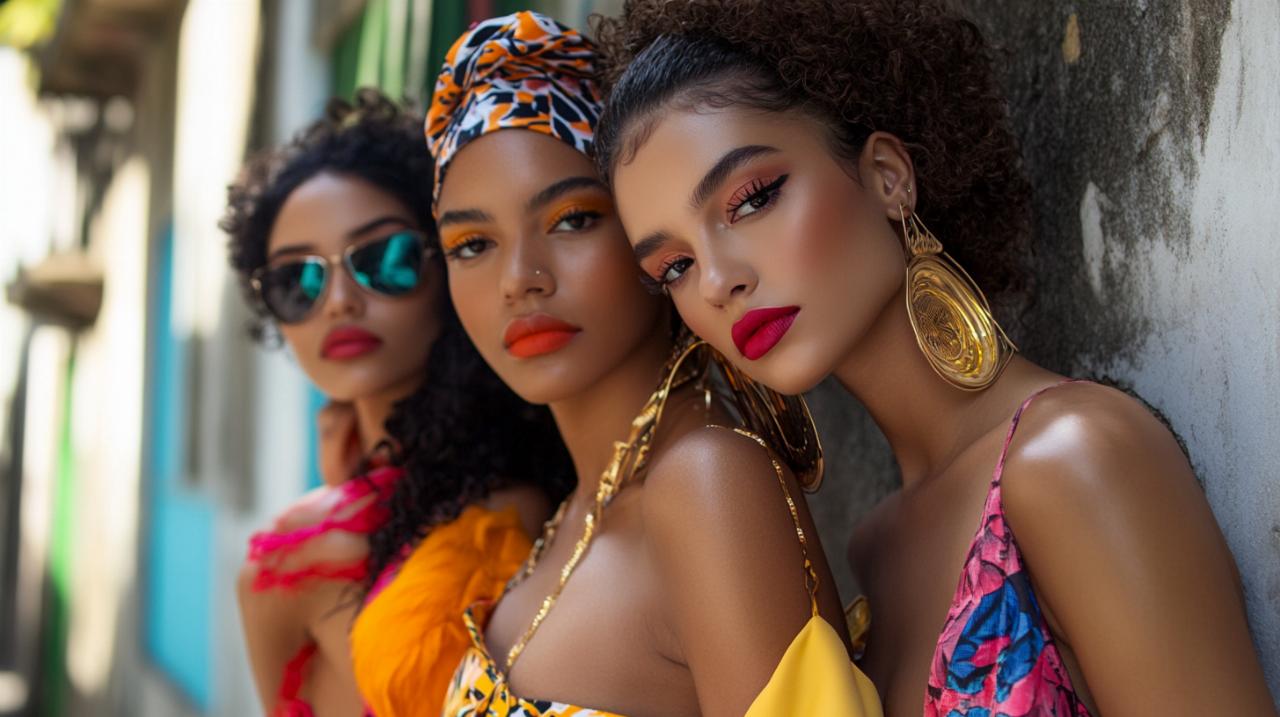
Digital platforms have revolutionised how models connect with audiences, and Brazilian figures have leveraged these tools with exceptional skill. Social media allows models to bypass traditional gatekeepers, sharing their stories, values, and perspectives directly with millions of followers. This direct communication has proven transformative, enabling Brazilian models to build loyal communities, challenge industry practices, and advocate for change in real time. Platforms like Instagram, Snapchat, and TikTok have become spaces where these models share not only their professional work but also personal narratives that humanise them and make their advocacy more relatable and impactful.
The authenticity that characterises Brazilian culture translates powerfully to social media, where audiences crave genuine connection over polished perfection. Brazilian models often share unfiltered moments, discuss their struggles with body image and industry pressures, and celebrate their cultural heritage openly. This transparency builds trust and loyalty, creating communities that support their work and amplify their messages. The result is a form of empowerment that extends beyond individual careers to influence broader cultural conversations about beauty, representation, and self-worth.
Authentic representation across digital platforms
Brazilian models use social media to present multifaceted representations of themselves, showcasing not only their professional achievements but also their personal lives, interests, and values. This holistic approach challenges the traditional model image, which often reduced individuals to their physical appearance alone. By sharing content that reveals their personalities, passions, and perspectives, Brazilian models demonstrate that they are complex individuals whose value extends far beyond their looks. This authentic representation resonates deeply with audiences who seek relatable figures rather than distant, unattainable ideals.
Holistic well-being involves physical care, emotional balance, professional development, and authentic self-expression, principles that many Brazilian models incorporate into their online presence. They discuss fitness routines, skincare regimens, mental health practices, and career challenges with equal openness, presenting a comprehensive picture of their lives. This approach not only humanises them but also provides valuable insights and inspiration to followers navigating their own journeys toward self-acceptance and confidence. The emphasis on holistic well-being reflects Brazilian cultural values that prioritise balance, joy, and authenticity over narrow definitions of success or beauty.
The impact of this authentic representation cannot be overstated. As audiences engage with Brazilian models who share genuine experiences and challenges, they develop more realistic and compassionate attitudes toward their own bodies and lives. This shift has profound implications for mental health, self-esteem, and societal beauty standards, demonstrating that social media can be a force for positive change when used thoughtfully and authentically.
Challenging conventional industry expectations through personal narratives
Brazilian models frequently use their platforms to critique and challenge industry practices that perpetuate harmful standards or exclude diverse voices. By sharing personal narratives about discrimination, pressure to conform, or struggles with body dissatisfaction, they shed light on the darker aspects of the fashion world while advocating for meaningful reform. These stories resonate powerfully with both industry insiders and general audiences, creating pressure for change and demonstrating that transformation is both necessary and possible.
Many studies focused on how happy or unhappy people were with their bodies, revealing the complex psychological impacts of beauty standards. Brazilian models contribute to this conversation by discussing their own experiences with body confidence and insecurity, normalising these struggles and encouraging open dialogue. Their willingness to be vulnerable and honest creates space for others to share their stories, building a collective movement toward greater acceptance and inclusivity. This advocacy extends beyond individual experiences to address systemic issues within the fashion industry, from casting practices to the representation of diverse body types and backgrounds.
The beauty industry employs over four million people in Brazil, reflecting the nation's deep engagement with aesthetics and personal care. This economic significance amplifies the voices of Brazilian models, who speak not only for themselves but for a vast community invested in how beauty is defined and celebrated. Their advocacy challenges the industry to evolve, to embrace diversity, and to recognise that beauty standards have real consequences for mental health, self-esteem, and societal well-being. Through their personal narratives and collective action, Brazilian models are redefining what it means to be beautiful in the modern world, creating a legacy that will influence fashion and culture for generations to come.