
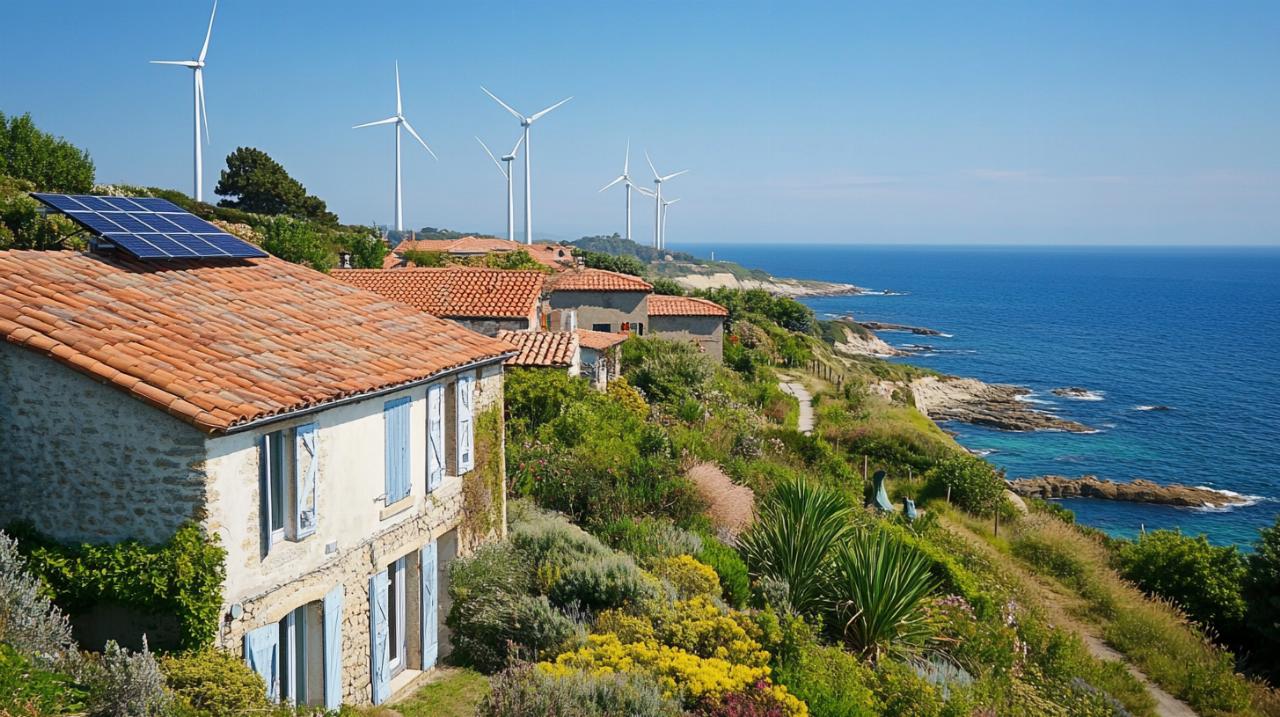
The allure of living by the sea, with its sweeping vistas and vibrant marine life, presents an exceptional opportunity to embrace a more environmentally conscious lifestyle. Coastal regions like Vendée offer not only natural beauty but also a chance to integrate sustainable living practices into daily routines, ensuring that these cherished landscapes remain unspoilt for generations to come. However, achieving this balance requires a thoughtful understanding of the unique challenges and opportunities that arise when residing near the shore.
Understanding the Unique Environmental Challenges of Coastal Communities
Life by the seaside brings with it a distinctive set of environmental considerations that demand careful attention. The very forces that shape these landscapes—waves, tides, and storms—also pose significant threats to both the natural environment and human settlements. Coastal communities find themselves on the front lines of climate change, where the consequences of rising temperatures and shifting weather patterns manifest in tangible and often dramatic ways. Recognising these challenges is the first step towards developing effective strategies for resilience and sustainability.
How rising sea levels and erosion impact seaside living
One of the most pressing issues facing coastal areas is the gradual but relentless rise in sea levels, a phenomenon driven primarily by the warming of the planet. As polar ice caps melt and ocean waters expand due to increased temperatures, low-lying coastal zones experience flooding and inundation with increasing frequency. This is not merely a distant threat; it is a reality that reshapes shorelines, damages infrastructure, and forces communities to reconsider where and how they build their homes. Storms, which are becoming more intense, exacerbate these effects by driving surges of seawater inland, overwhelming natural and man-made defences alike.
Coastal erosion represents another critical concern, often accelerated by human activities such as the construction of seawalls or the removal of natural vegetation that stabilises sand dunes. Without these natural barriers, the land becomes vulnerable to the scouring effects of wind and water, leading to a gradual loss of territory. The disappearance of beaches and dunes not only affects the aesthetic and recreational value of the coast but also undermines the protective functions these features provide. Addressing erosion requires a combination of nature-based solutions and careful planning, ensuring that interventions do not simply transfer the problem elsewhere or create new vulnerabilities.
Protecting marine ecosystems whilst maintaining local livelihoods
The health of marine ecosystems is intrinsically linked to the prosperity of coastal communities, as many residents depend on the sea for their livelihoods. Small-scale fisheries, aquaculture, and maritime tourism all rely on thriving habitats, from seagrass meadows to coral reefs and mangrove forests. These ecosystems provide essential services, such as breeding grounds for fish, filtration of pollutants, and protection against storm surges. Yet they are under constant pressure from overfishing, pollution, and habitat destruction, challenges that demand integrated coastal zone management approaches to balance economic development with environmental conservation.
Sustainably managed small-scale fisheries and coastal aquaculture offer pathways to support local livelihoods without depleting marine resources. By adopting practices that respect breeding cycles and avoid harmful techniques, communities can ensure a steady supply of seafood whilst preserving biodiversity. Seaweed farming, for instance, has emerged as a promising activity that contributes to food security and provides income without the environmental costs associated with more intensive forms of production. Eco-tourism, when carefully regulated, can also generate revenue whilst fostering a culture of conservation, encouraging visitors to appreciate and protect the natural wonders they encounter.
Engaging stakeholders in decision-making processes is vital for achieving a balance between economic needs and environmental stewardship. Local knowledge, particularly traditional practices that have sustained communities for generations, holds valuable insights into managing marine resources effectively. Collaborative governance structures that bring together residents, policymakers, and conservation organisations can help navigate the complex trade-offs inherent in coastal management, ensuring that development does not come at the expense of the ecosystems that underpin everything.
Practical Green Habits for Everyday Life by the Seaside
Adopting sustainable living practices in coastal regions is not solely the responsibility of governments or large organisations; individuals and families play a crucial role in reducing their environmental footprint. Simple yet meaningful changes to daily habits can collectively make a significant difference, from how we manage waste to the energy we consume. By embracing these green habits, residents of seaside communities can contribute to the protection of their surroundings whilst enjoying the unique lifestyle that coastal living affords.
Reducing plastic waste and embracing eco-friendly alternatives
Plastic pollution poses one of the most visible and pervasive threats to marine environments, with discarded items ranging from bottles to fishing nets causing harm to wildlife and degrading water quality. Coastal residents are uniquely positioned to tackle this issue, given their proximity to the very ecosystems affected by such waste. Reducing reliance on single-use plastics is an essential first step, and this can be achieved through straightforward actions such as carrying reusable shopping bags, opting for glass or metal containers instead of plastic packaging, and choosing products with minimal or biodegradable wrapping.
Community initiatives can amplify individual efforts, fostering a collective commitment to cleaner beaches and seas. Organising regular clean-up events not only removes litter from the shoreline but also raises awareness about the sources and impacts of pollution. Schools and local organisations can collaborate to educate residents and visitors about the importance of proper waste disposal and the benefits of recycling. Encouraging businesses to reduce their use of plastics, whether through offering incentives for reusable containers or providing water refill stations, creates a culture where sustainability becomes the norm rather than the exception.
Beyond reducing waste, embracing eco-friendly alternatives extends to other aspects of daily life, such as choosing natural fibres over synthetic materials that shed microplastics into waterways when washed. Supporting local markets and artisans who prioritise sustainable production methods also helps build a circular economy, where resources are used efficiently and waste is minimised. These choices, whilst seemingly modest on their own, contribute to a broader shift towards responsible consumption and a healthier marine environment.
Harnessing renewable energy sources in coastal properties
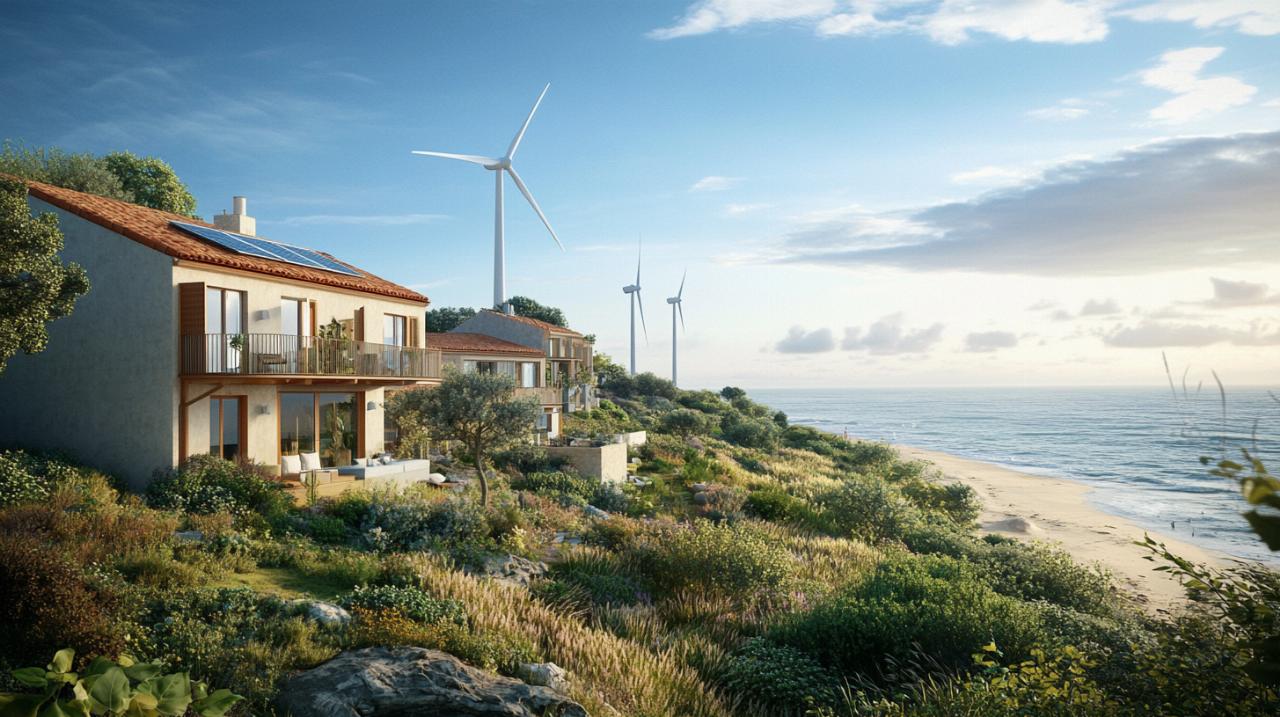
Coastal regions often benefit from abundant natural resources that can be harnessed to generate clean energy, making them ideal locations for renewable energy projects. The steady winds that sweep across the sea and the intense sunlight that bathes these areas provide excellent conditions for wind turbines and solar panels. Homeowners in places like Vendée have the opportunity to invest in these technologies, reducing their dependence on fossil fuels and lowering their carbon emissions. Installing solar panels on rooftops or in gardens can significantly cut electricity bills whilst contributing to the transition towards a low-carbon economy.
Wind energy, although more commonly associated with large-scale offshore installations, can also be utilised on a smaller scale in residential settings where regulations permit. Micro-wind turbines, designed for individual properties, offer a complementary source of power, particularly in areas where wind speeds are consistently high. Combining solar and wind energy with energy-efficient appliances and insulation ensures that homes operate with minimal environmental impact, demonstrating that sustainability and comfort can go hand in hand.
Community-led renewable energy projects offer another avenue for advancing sustainability in coastal areas. By pooling resources and expertise, residents can develop shared solar farms or cooperative wind installations that benefit the wider community. Such initiatives not only provide clean energy but also foster a sense of collective responsibility and pride in local environmental achievements. Governments and financial institutions can support these efforts through subsidies, grants, and favourable loan conditions, making renewable energy accessible to a broader range of households and encouraging widespread adoption.
In addition to generating clean energy, coastal properties can incorporate other sustainable features, such as rainwater harvesting systems and greywater recycling, to reduce water consumption. Native landscaping that requires minimal irrigation and supports local biodiversity further enhances the ecological value of residential areas. These integrated approaches to sustainable living demonstrate that protecting the environment and enjoying a high quality of life are not mutually exclusive goals, but rather complementary pursuits that enrich both the present and the future of coastal communities.